Your roof works hard all year, often without you giving it a second thought, until something goes wrong. In Surrey, where wet winters, autumn storms and the occasional summer heatwave all take their toll, regular roof inspections are one of the simplest ways to look after your home.
So how often should you actually have your roof inspected? As a general guide, once a year is sensible for most homes, with an extra check after any spell of severe weather. Autumn is a particularly good time, because it gives you the chance to put things right before the wettest months arrive. Older and period properties, and homes surrounded by trees, often benefit from being looked at a little more regularly, simply because they tend to collect debris and show wear sooner.
The good news is that a yearly check is quick, straightforward and usually far cheaper than the repairs that follow when a small problem is left to grow.
Signs Your Roof May Need Attention
You do not always need to climb a ladder to spot that something is not quite right. Many early warning signs are visible from the ground or from inside your home. If you notice any of the following, it is worth booking an inspection sooner rather than waiting for your annual check.
- Cracked tiles. Frost, age and changeable weather can all cause tiles to crack. Even a small split can let water seep underneath, where it slowly works its way into the timbers below.
- Slipped or missing tiles. Tiles that have shifted out of line, gaps in the roof surface, or pieces of tile in your gutters or on the ground are all clear signs that something has come loose.
- Moss and algae growth. In Surrey’s leafier, shadier areas, moss is common. It holds moisture against the roof, can lift tiles over time and may block the natural drainage of water away from your home.
- Water ingress. Damp patches on upstairs ceilings, brown staining, or a musty smell in the loft often point to water finding its way in. This rarely improves on its own.
- Blocked gutters. Gutters that overflow when it rains, sprout small plants, or send water running down your walls are not doing their job, and the overflow can damage both the roofline and the walls beneath it.
- Visible wear. Sagging sections, worn flashing around the chimney, or daylight showing through the loft all suggest the roof is reaching the point where it needs attention.
None of these signs mean disaster, but they are your roof’s way of telling you it needs a proper look.
Why Annual Roof Inspections Save Money
It is easy to see roof maintenance as a cost, but a yearly inspection is one of the better ways to avoid much larger bills later on. Most expensive roofing repairs do not start out large. They begin as something small and easily fixed, then quietly get worse.
Take a single slipped tile as an example. On its own, it is a quick and inexpensive repair. Left in place, it lets rain reach the felt and timber underneath. Over a few months, that water can rot the battens, damage the underlay and eventually reach your ceilings and insulation. What might have been a simple tile replacement can turn into structural repairs, internal redecoration and a good deal of disruption.
A yearly inspection catches these issues while they are still minor. It also helps you plan ahead, so you can budget for any work in good time rather than facing an unexpected emergency in the middle of winter. For many homeowners, the real value is peace of mind: knowing the roof is sound, and knowing that nothing is quietly building into a bigger problem.
What a Professional Roof Inspection Includes
A professional inspection looks at far more than the surface tiles. It is a thorough check of everything that keeps water out and your home protected. Here is what our team looks at and what you can expect.
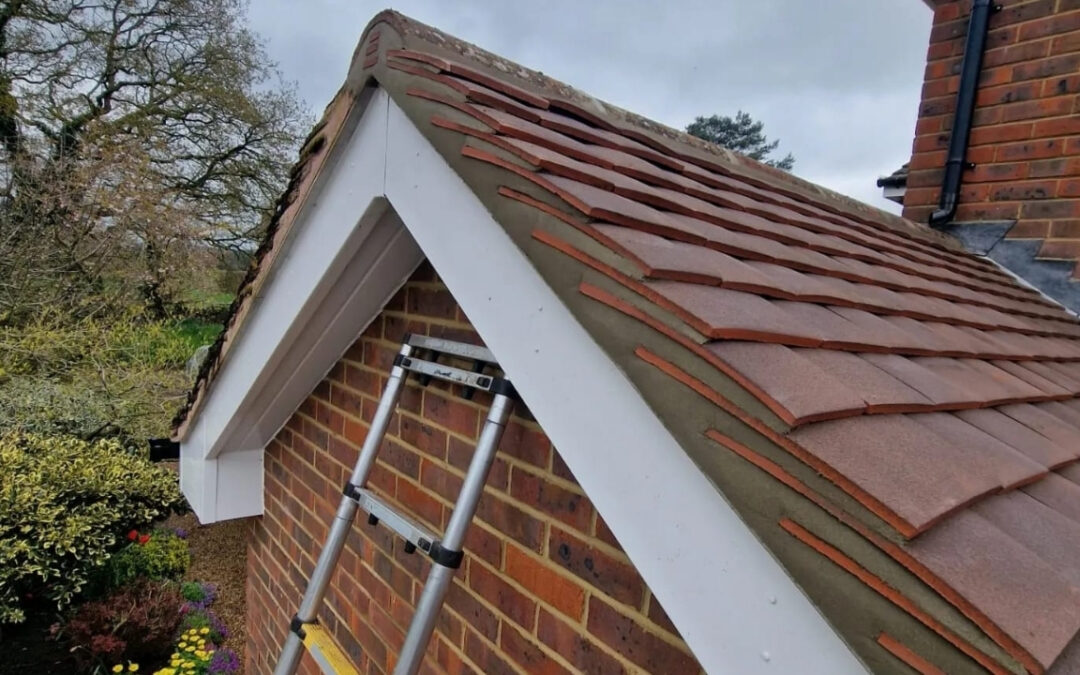
From the outside, we check the condition of the tiles, ridge tiles and valleys, along with the flashing around chimneys and any join in the roof. We also look at the gutters, fascias, soffits and downpipes, since these play a major part in directing water safely away from the building.
Where access allows, we check inside the loft for signs of leaks, daylight coming through, and the condition of the timbers, battens and underlay. The chimney, pointing and any flat roof areas are assessed too, as these are common places for problems to begin.
Once the inspection is complete, you receive a clear, honest summary of what we found, usually with photographs so you can see anything that needs attention for yourself. We explain what should be dealt with now, what can safely wait, and what is simply worth keeping an eye on. There is no pressure and no jargon, just practical advice you can act on with confidence.
If it has been a while since your roof was last looked at, or if you have noticed any of the signs above, a yearly inspection is a small step that protects one of the most important parts of your home. Get in touch with the Willingtons team to book a roof inspection, and we will help you understand exactly what your roof needs and what to prioritise first.
Frequently Asked Questions
How often should you have your roof inspected?
Most roofs should be inspected at least once a year, with an extra check after any storm or spell of severe weather. Older properties, and homes surrounded by trees, often benefit from being looked at more regularly because they collect debris and show wear sooner.
When is the best time of year to have a roof inspected?
Autumn is the best time of year for a roof inspection, because it gives you the chance to fix any problems before the wettest, windiest months arrive. A check in spring is also useful for spotting damage left behind by winter weather.
Do I need a roof inspection if my roof looks fine from the ground?
Yes. Many roofing problems, such as cracked underlay, worn flashing or early signs of damp, are not visible from the ground. A professional inspection checks the parts of the roof you cannot easily see, so small issues are caught before they spread.
How long does a roof inspection take?
A typical home roof inspection takes around 30 to 60 minutes. The exact time depends on the size and age of the roof, the type of tiles and how easy it is to access the roof and loft space.
Can I inspect my own roof?
You can spot some warning signs yourself from the ground or from inside the loft, such as missing tiles, blocked gutters or damp patches. Climbing onto a roof is risky, though, and many problems are only visible up close, so a full inspection is best carried out by a professional.
How much does a roof inspection cost in Surrey?
The cost of a roof inspection varies depending on the size and type of your roof and how accessible it is. The best way to get an accurate figure is to contact a local roofer such as Willingtons for a quote before any work is agreed.